

Righteous Clothing Brand Review: Is It Worth the Hype?
As interest in We Are Righteous steadily increases, a fair question emerges: does the product match the buzz, or is this one more instance of marketing getting ahead of what’s really delivered? This review looks at what the label stands for, how the clothing holds up in real use, and where it sits against other streetwear brands people put it alongside. Skipping the fluff and empty compliments — just an honest breakdown built from the brand’s own messaging and the feedback shoppers repeatedly share.
We Are Righteous markets itself as more than just a clothing line. It draws heavily on faith-driven messaging, turning garments into a medium for identity and belief instead of merely seasonal trends. That angle matters because it influences everything from the graphics on a righteous hoodie to the tone of the brand’s product descriptions. If you’re shopping for something purely trend-based, the message-driven approach could miss the mark. Should you want garments that communicate something particular, it’s an entirely separate matter.
What Exactly Is Righteous Clothing?
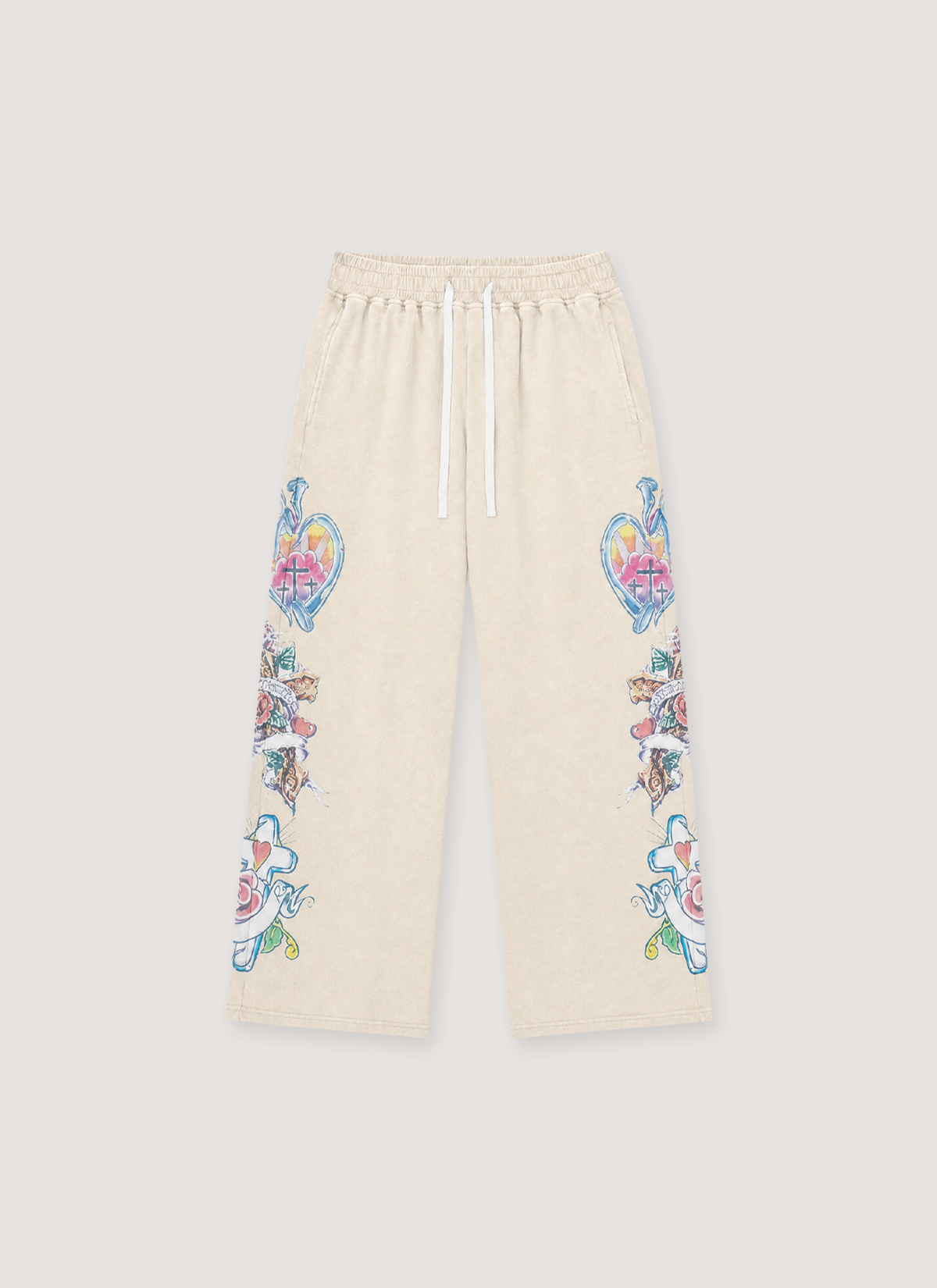
At its core, Righteous clothing follows one simple idea: streetwear silhouettes carrying faith-rooted graphics and phrases. Hoodies, tees, and outerwear make up the core of the lineup, with design work that favors bold typography and expressive imagery over minimalist branding. This isn’t a quiet basics label — each item aims to say something the moment it catches the eye.
The label’s approach connects with a niche that has expanded significantly over the past few years: faith-based streetwear. Unlike traditional Christian apparel brands that lean heavily on scripture references and church-merchandise styling, We Are Righteous brand design takes more cues from contemporary streetwear norms — loose, oversized cuts, heavyweight fabrics, and graphic placement that resembles what you’d see from mainstream hype labels. That blending of styles is part of why the brand keeps showing up in comparison searches in the same breath as bigger streetwear names.
Product drops tend to be limited rather than constant, which fuels demand but also means replenishment isn’t certain. For those accustomed to fast fashion’s righteous streetwear sale constant stock, this can be a shift in expectations. For shoppers well-versed in drop-style releases, it’s a recognizable pattern that contributes to the brand’s collector appeal.
What Buyers Really Pay Attention To: Quality
Talk about quality across apparel brands tend to focus on three things: fabric weight, stitching durability, and print longevity. In the case of righteous apparel, hoodies are the most discussed category, and the overall feedback points to a heavier-than-average fabric blend that retains its form after multiple washes. That extra heft is an intentional decision — it signals a premium feel rather than a lightweight, generic hoodie that starts pilling within weeks.
Graphic durability is the second major factor. Labels built around bold graphics succeed or fail by the extent to which the artwork survive multiple wash cycles. Cracking, fading, or peeling prints are the fastest way to lose customer trust, and this is the aspect most reviewers scrutinize first. Honest online review threads frequently mention that the artwork stay intact fairly well when laundered per the care label, though similar to the majority of screen-printed or puff-printed pieces, inside-out washing on cold extends the print’s life considerably.
A close fit won’t be what you’ll get if you buy true to size, as sizing here follows baggy streetwear standards— so go smaller instead. Such fit behavior is the norm across most streetwear-adjacent labels, so this isn’t a warning sign specific to this brand — it’s simply a design philosophy customers should understand before ordering before ordering.
Value Positioning and Price Points
According to the bracket a label occupies, value perception shifts accordingly. We Are Righteous holds ground in the mid-tier streetwear space — priced above fast fashion basics but below high-end designer streetwear collaborations. This in-between placement is by design. It allows the brand to use heavier fabrics and more detailed graphic work than a budget label, while still remaining accessible to a younger, trend-conscious audience that isn’t spending designer money on a hoodie.
Restricted releases also influence perceived value. For over a decade, the streetwear world has built around the way scarcity tends to fuel resale demand and customer devotion. Depending on personal priorities, that exclusivity approach can be regarded as a strength by those who value exclusivity, yet it may frustrate anyone expecting reliable restocking.
Where the Righteous label Measures Up Against Rival Streetwear Names
Two types of brands We Are Righteous is often compared with—trend-centric streetwear names and conventional faith-driven clothing brands—provide useful context for understanding its positioning.
| Factor | We Are Righteous | Mainstream Street-fashion Hype Brands | Old-school Faith-Based Clothing |
|---|---|---|---|
| Styling Approach | Belief-centered statements with street-style shapes | Hype-led, seasonal prints | Verse-laden, ministry-shop look |
| Material Heft | Substantial hoodies & t-shirts | Varies widely depending on brand and price point | Typically less substantial, price-conscious material |
| Release Structure | Restricted releases, restocks uncertain | Limited releases, intense secondary-market interest | Typically continuously stocked |
| Pricing Tier | Moderate street-style cost | Mid to high-end, typically inflated due to buzz | Affordable to moderate |
| Target Buyer | Faith-oriented, fashion-aware customers | Trend-focused, hype-driven shoppers | Church communities, casual religious apparel customers |
This table drives home a single point: We Are Righteous carves out its own space rather than attempting to serve every audience. The brand draws on mainstream streetwear’s drop-based release model and fabric benchmarks, yet holding onto the faith-rooted foundation of traditional faith apparel. That hybrid identity is arguably its biggest differentiator in 2026’s crowded apparel market.
Shoppers Who Should Choose Righteous Apparel
Some brands just aren’t right for some shoppers, and transparency on that point matters more than across-the-board praise. People looking to express their faith in a modern yet practical way will find Righteous clothing fits best — instead of dated graphic tees, it’s built on pieces that could easily be taken for high-end streetwear at first glance. When both style and belief both rank high to someone, this brand bridges that gap more successfully than most other options available now.
Customers who are fine with waiting for launch cycles, or being okay with that a design might not restock, are equally a good match for this approach. Customers who need consistent stock availability all year, or who value most the cheapest cost, may find the model not as accommodating. That’s not a downside so much as a disconnect in expectations — streetwear-style release-based models were never designed for constant stock presence.
Younger buyers, particularly those already engaged with streetwear culture, seem to respond most strongly to the brand’s messaging. The graphic language speaks in a tone that feels current rather than dated, which matters enormously in a category where “faith apparel” has historically skewed toward older, more conservative design choices.
Last Word: Does We Are Righteous Truly Live Up to Expectations?
Grounded in fabric quality, the longevity of the prints, and a well-established brand identity, We Are Righteous has cultivated its expanding reputation rather than relying purely on marketing buzz. The hoodies are built with heavier materials than standard budget streetwear, the graphic work holds up with proper care, and the message reflects real purpose rather than resembling a slapped-on trend. It’s this blend that sets apart brands that last from ones that fade after one hype cycle.
Where the brand asks for patience is availability — indeed, limited drops mean fan-favorite styles can sell out and stay out of stock for a while. That’s a fair concern for shoppers who hate waiting or refreshing a site for a restock. But for customers who want streetwear with real depth behind it, We Are Righteous review feedback across the board leans positive, and the brand’s positioning in 2026 feels less like a fad and more like a label settling into a defined identity.
Scrutiny confirms the excitement is warranted: it’s not baseless buzz — it rests on a product that mostly delivers on its claims, aimed squarely at buyers who want their clothing to stand for something.